Our Story
The Christian Conference Centre here at Sizewell Hall was started in 1975, as a direct answer to the growing needs of the church in East Anglia. We recently celebrated our 50th anniversary and thank God for his continued faithfulness to the work here.
In the 1960’s and early 70’s, Victor and Meg Jack were leading house parties at Culford School, Bury St Edmunds for over 150 young people during the Easter School Holidays. They had also been leading tent mission campaigns around East Anglia and recognised that a permanent centre was needed for church retreats, youth camps and Christian conferences.
After much prayer and searching for a suitable centre, an agreement was signed in March 1975 for the rental of Sizewell Hall. There was very little money in the bank but a strong belief that this was what God was asking them to do.
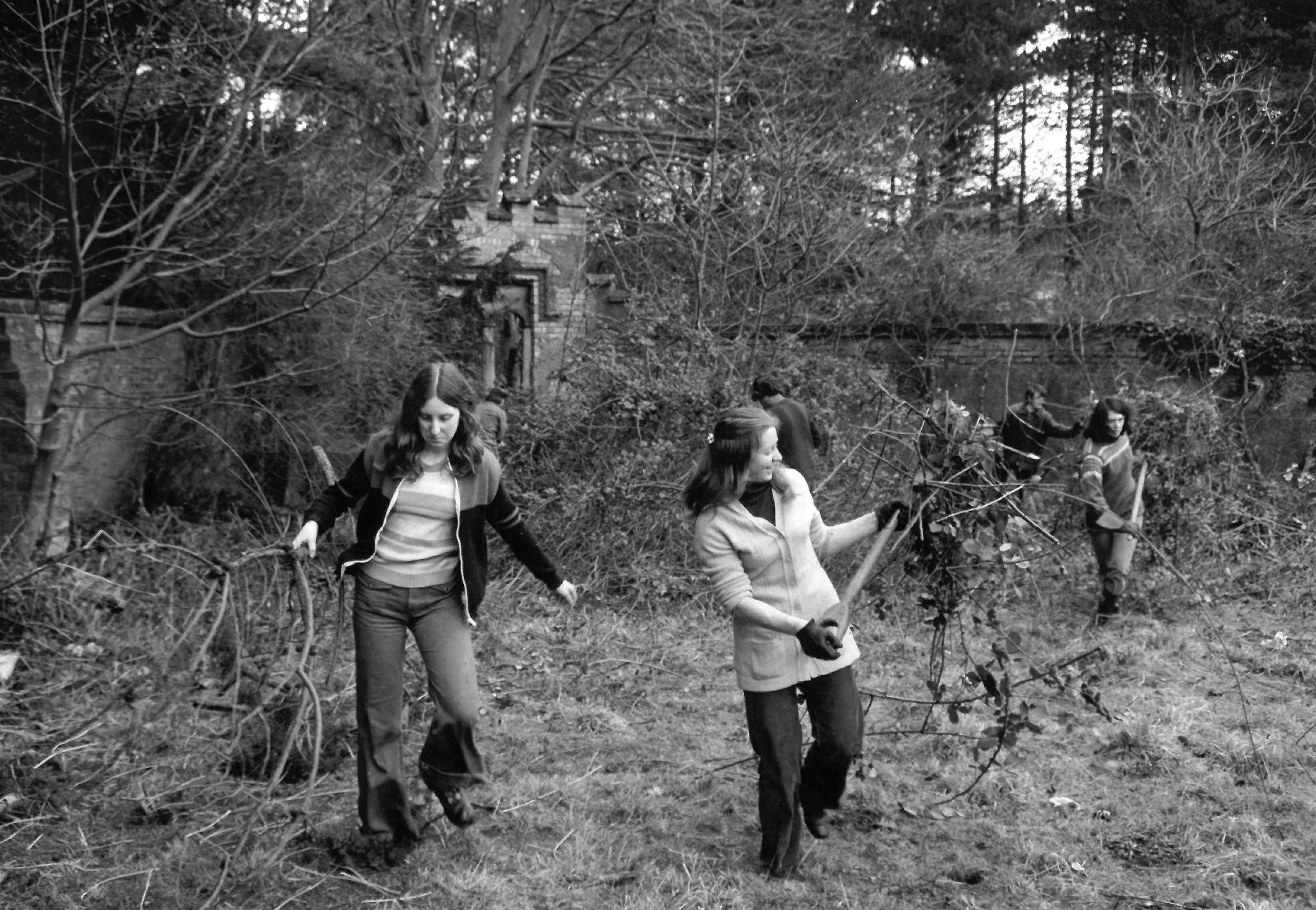
The Hall and grounds had been neglected for 13 years and needed to be ready for the ‘official’ opening on in May 1975. An army of volunteers came every Saturday to tackle work in the grounds and in the house. Within four months everything was ready for the opening. The work of Sizewell Hall had begun.

Impact Over The Years
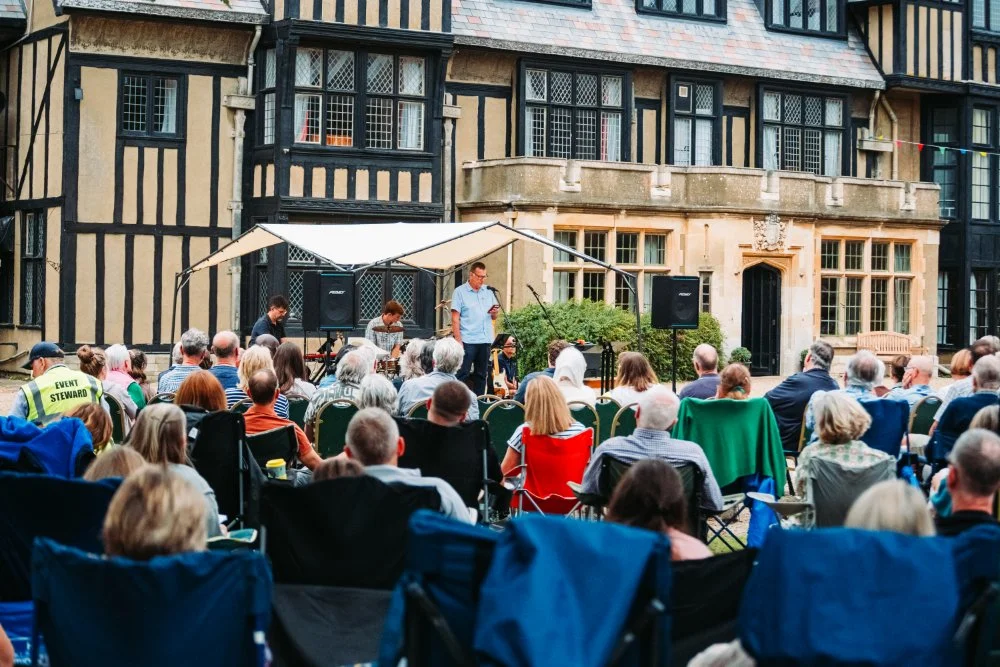
Over the last 50 years, Sizewell Hall has become a place of rich memories. People from all backgrounds and walks of life have found a place where they can come together to worship, learn, rest, and be renewed. Sizewell Hall stands as a sanctuary where the Word of God is taught, and lives are changed. A place of connection by the sea.
Many have come to faith in God while here and each year people are baptised in the sea, declaring their faith in Jesus and new life in Him.
We recently had the opportunity to interview some of our guests and hear why Sizewell Hall is special to them, we hope you enjoy this collection of testimonies.
A Place Like Home - Stories From Sizewell Hall
A Historic Location
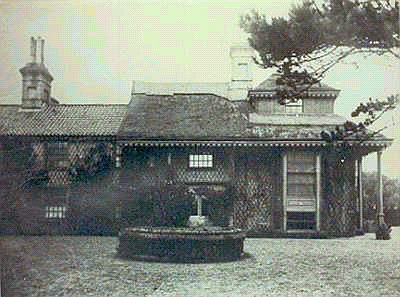
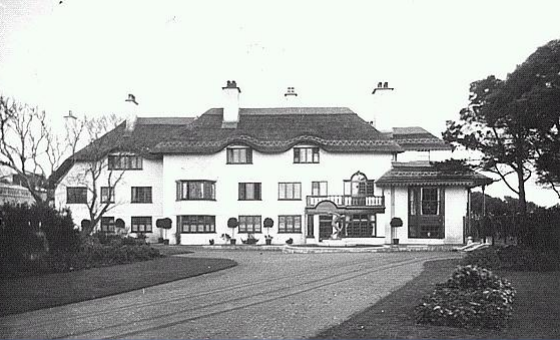
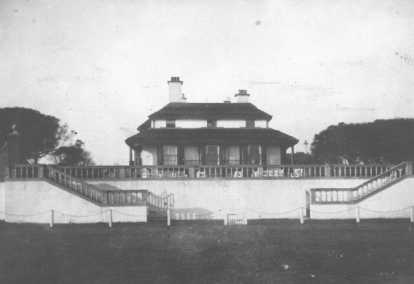
Alexander and Margaret Ogilvie first came to Sizewell in the 1850s, eventually owning four cliff-top houses, including Sizewell House. Following Margaret's death in 1908, her fifth son, Stuart, inherited the dilapidated property. He spent over £20,000 rebuilding the house, adding an additional storey for nurseries, expanding the thatched roof and upgrading the grounds. Following the additions he renamed it Sizewell Hall.
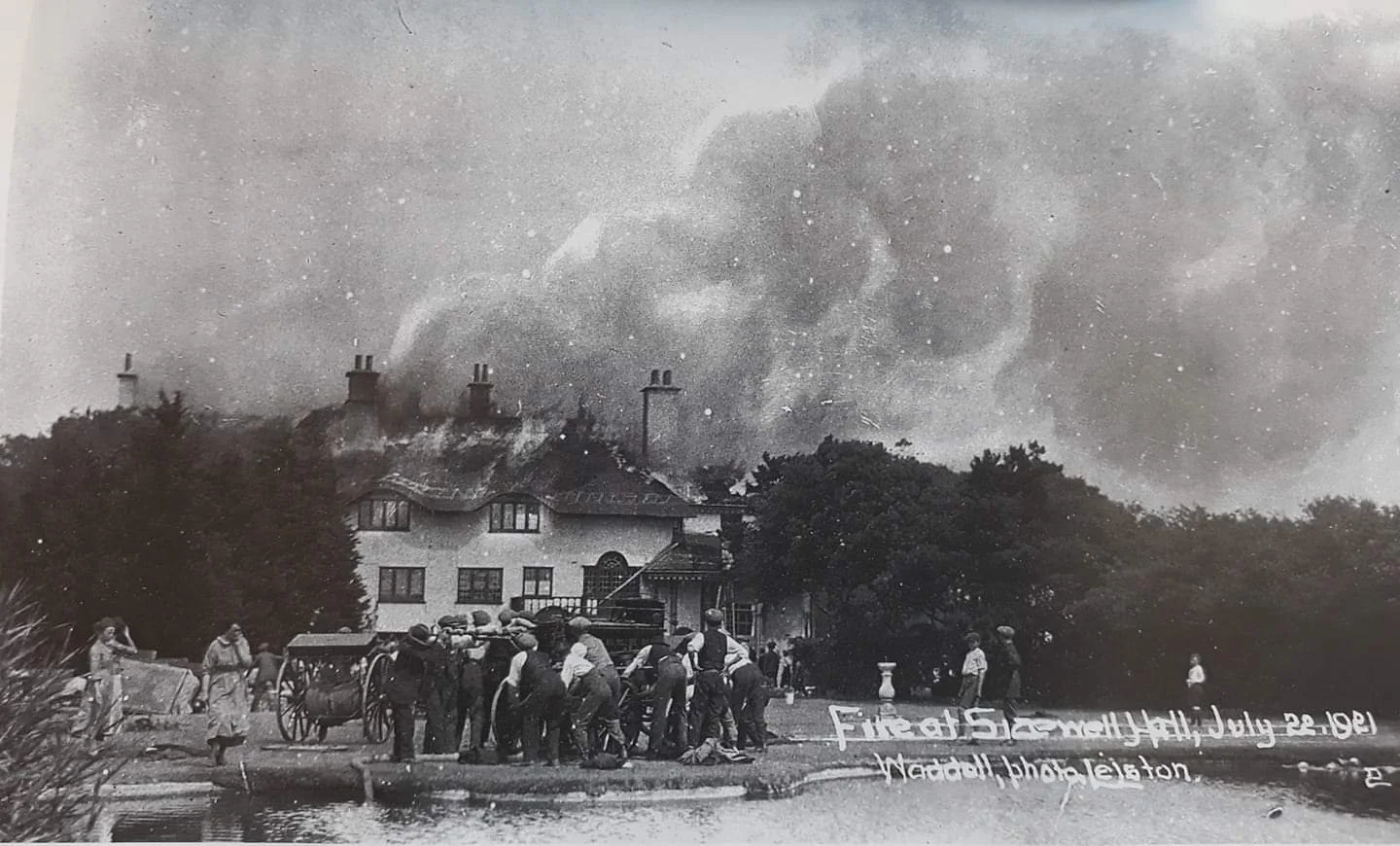
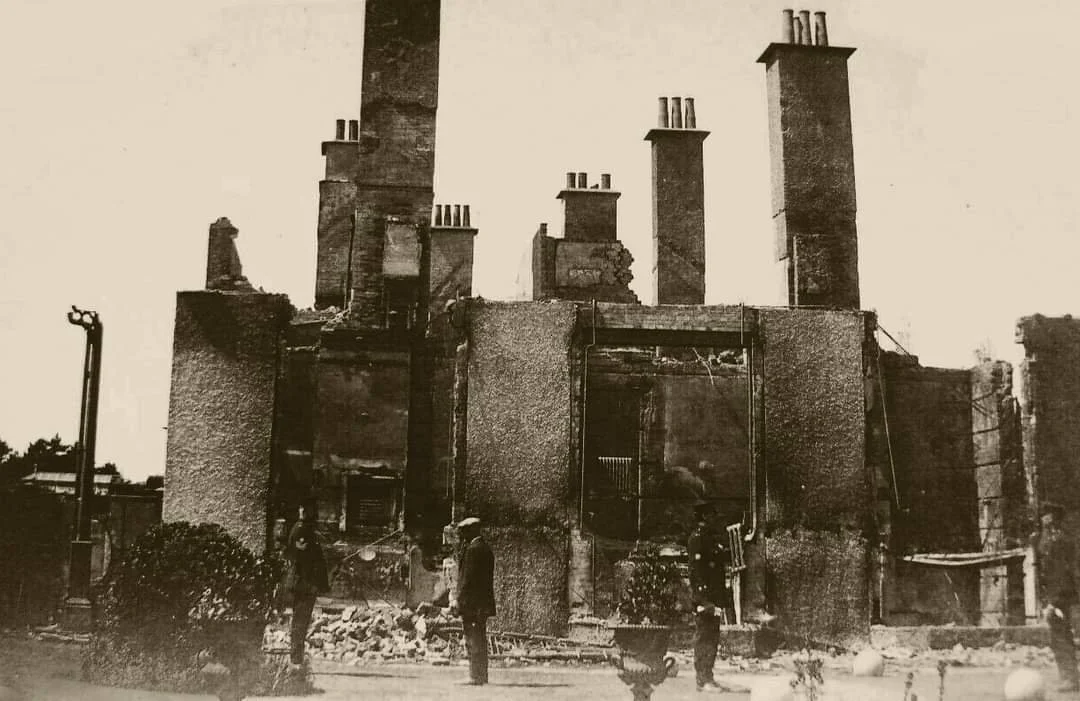
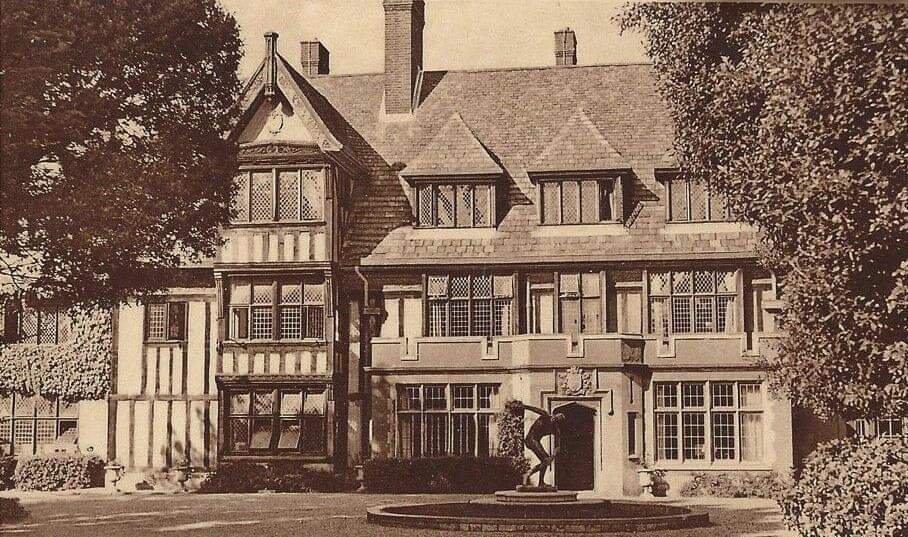
In July 1921, a fire broke out in the thatched roof. Though initially thought extinguished, it spread internally and gutted the Hall. Stuart rejected an initial £10,000 insurance payout, but after receiving a full settlement, he rebuilt the Hall using plans by William Gilmour Wilson, an architect of Stuart's Thorpeness holiday village. By the 1930s, economic hardships forced Stuart to fund Thorpeness Limited’s debts with loans up to £21,000. To afford this, he decided to let or close the Hall and move to the Dower House. Walking around the grounds of the Hall, Stuart commented to his son, ‘It is heart-breaking to think that when I’m gone, all this will be lost. It will revert to jungle – but at least there are the trees. The trees will be there.’ A few months later, Stuart died at the Hall.
Because his heir, Alexander Stuart, was still a schoolboy, Stuart's brother Sholto took over, and decided to let both the Hall and Dower House, with various occupatns over the following years:
During World War II: the government requisitioned the Hall, the Dower House, and Cliff House, necessitating expensive post-war repairs.
1940s–1955: The Hall hosted a preparatory school, which closed due to its proximity to the proposed nuclear power station.
In 1958 It was let to Taylor Woodrow, one of the contractors building the Sizewell A nuclear power station, for accommodation and conferences.
Post-Taylor Woodrow: The Hall fell into disuse. Plans to convert it into a residential home for the elderly fell through.
Following the younger Stuart’s death in 1972, his son, Glencairn, offered a 21 year lease to Victor Jack, who wanted a permanent Christian gathering space. A new Council of Management was set-up and they quickly found the Hall required £18,000 in renovations, including rewiring and fire escapes. Glencairn generously bought a new boiler and offered a seven-year rent structure at £3,000 annually, with the first two years rent-free.
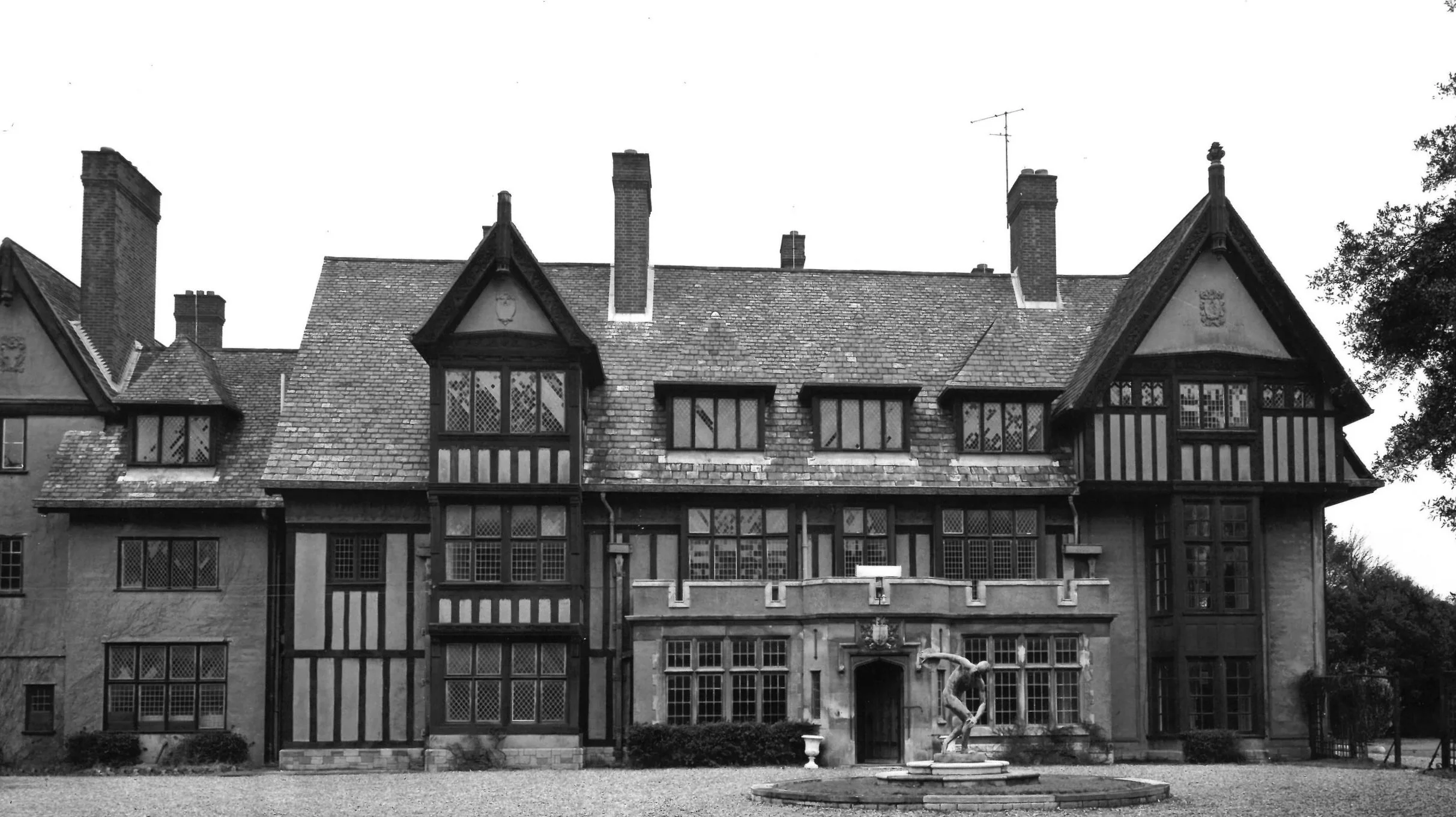
Volunteers came from all around East Anglia to refurbished the Hall. Because Stuart’s original use of concrete made structural changes prohibitively expensive, the layout remained unchanged; old domestic spaces were simply repurposed (e.g., the servants' hall became an office). Sizewell Hall opened as a conference centre in 1975 and continues to operate today.